BTC $78,001.37 +1.61%
ETH $2,523.33 +1.59%
BNB $724.74 +1.22%
XRP $1.40 +4.43%
SOL $101.96 +2.11%
TRX $0.3403 +0.09%
DOGE $0.0844 +1.03%
ADA $0.2115 +3.12%
BCH $223.27 +0.09%
LINK $11.43 +0.58%
HYPE $80.03 +2.70%
AAVE $127.24 +2.05%
SUI $0.7267 +2.04%
XLM $0.1864 +4.57%
ZEC $1,143.88 +5.24%
AAPL $331.19 -0.21%
AMZN $253.06 -0.62%
GOOGL $335.96 -0.41%
MSFT $492.40 -0.15%
META $640.41 -0.40%
NVDA $212.11 -1.40%
TSLA $358.48 -1.73%
SNDK $1,547.52 -2.32%
INTC $96.68 -2.83%
SPCX $147.74 -1.03%
MU $924.91 -1.46%
AMD $486.97 -3.40%
BTC $78,001.37 +1.61%
ETH $2,523.33 +1.59%
BNB $724.74 +1.22%
XRP $1.40 +4.43%
SOL $101.96 +2.11%
TRX $0.3403 +0.09%
DOGE $0.0844 +1.03%
ADA $0.2115 +3.12%
BCH $223.27 +0.09%
LINK $11.43 +0.58%
HYPE $80.03 +2.70%
AAVE $127.24 +2.05%
SUI $0.7267 +2.04%
XLM $0.1864 +4.57%
ZEC $1,143.88 +5.24%
AAPL $331.19 -0.21%
AMZN $253.06 -0.62%
GOOGL $335.96 -0.41%
MSFT $492.40 -0.15%
META $640.41 -0.40%
NVDA $212.11 -1.40%
TSLA $358.48 -1.73%
SNDK $1,547.52 -2.32%
INTC $96.68 -2.83%
SPCX $147.74 -1.03%
MU $924.91 -1.46%
AMD $486.97 -3.40%

korea

All
Article
Flash

first_img South Korean investors petition for the fourth time to delay cryptocurrency taxes, while regulators insist on implementing them on schedule

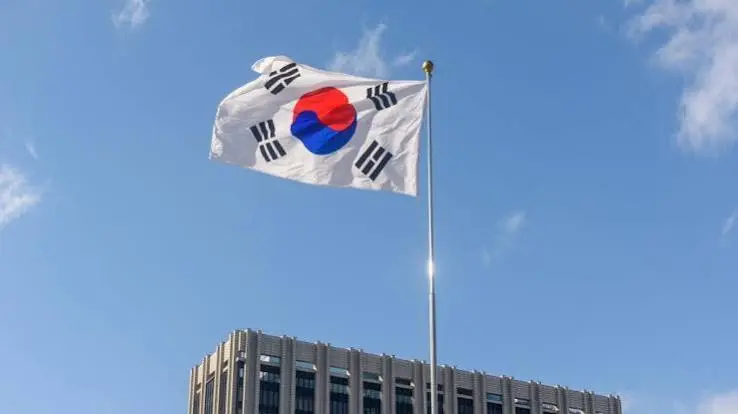
South Korean investors are once again pushing to delay the cryptocurrency capital gains tax scheduled to be implemented on January 1, 2027, but regulators insist on proceeding as planned. According to the South Korean National Assembly's electronic petition system, a petition requesting a two-year delay of the crypto tax plan has garnered 50,000 valid signatures, reaching the legislative review threshold, and will be automatically submitted for consideration by the relevant standing committee.South Korea plans to impose a 22% tax (including a 20% basic tax rate and a 2% local tax) on the portion of annual income from digital assets exceeding 2.5 million Korean won (approximately $1,856), covering income from the sale, transfer, and lending of cryptocurrency assets. This tax has been postponed three times since it was first discussed in 2022. Petitioners argue that the majority of crypto investors are suffering significant losses, with major South Korean crypto companies experiencing a decline in operating profits of up to 90%. Implementing the tax at this time would kick young people's wealth ladder away and could push investors toward offshore platforms.In May of this year, a petition calling for the abolition of the crypto tax reached the 50,000 signature threshold within eight days of submission but did not advance further. Meanwhile, the government's stance remains firm, with the nominee for the Minister of Economy and Finance, Lee Heung-ik (phonetic), stating last weekend that the crypto tax plan is proceeding as scheduled, and the National Tax Service will announce detailed tax standards later this year.

first_img South Korean media: China's semiconductor industry is being promoted by a team system involving government, banks, and enterprises

According to South Korea's "JoongAng Ilbo," China's semiconductor industry is organized through collaboration among the central government, local governments, state-owned financial institutions, and enterprises, forming a system for fundraising, factory construction, and infrastructure support. The China National Integrated Circuit Industry Investment Fund has a first phase of 138.7 billion RMB, a second phase of 204 billion RMB, and a third phase of 344 billion RMB, totaling 686.7 billion RMB, with investments in companies such as SMIC, Hua Hong Semiconductor, and Yangtze Memory Technologies.Changxin Memory, established for 10 years, has risen to fourth in global DRAM market share, with a net loss of 21.13 billion RMB over the past three years, while R&D and equipment investments during the same period reached 185.2 billion RMB, with Hefei's state-owned capital providing about 80% of the funding for early projects. South Korea's Samsung Electronics and SK Hynix are responsible for investments, employment, technology development, and support for partners. The South Korean government plans to guide 622 trillion KRW in private investment by 2047 and provide 17 trillion KRW in low-interest loans and 1.1 trillion KRW in semiconductor ecosystem funds, but most of the burden will fall on enterprises.Park Kyung-soo, Executive Vice President of the Korea Semiconductor Industry Association: The semiconductor industry will fall behind in the next upturn if investment stops; even during downturns, R&D, equipment investment, and orders for materials and components must be maintained, requiring long-term policy, financial, and tax support. China is catching up with a national-level support system, and South Korea also needs a response system involving the government, political circles, financial institutions, and enterprises to act together.

first_img North Korea uses IT employees from third countries to infiltrate American companies, paying interview assistants with cryptocurrency

According to NBC, North Korea is utilizing remote IT workers from third countries such as Iran and Lebanon to assist in infiltrating American companies and obtaining funds to finance its weapons programs. Alerts issued by the U.S. and several foreign agencies in July indicated that North Korean IT workers "seek to sign contracts with the intention of remitting salaries back to relevant North Korean agencies," while also posing internal threats to companies, involving data leaks, cryptocurrency theft, and sensitive information theft.As governments like the United States increase countermeasures, North Korea is increasingly leveraging third-country IT workers to secure job interviews, and after obtaining work contracts, the relevant positions are typically taken over by North Korean agents. Reports indicate that these foreign IT workers are scouted on LinkedIn, with some earning about $500 per month in cryptocurrency to work part-time as "interview assistants."Cointelegraph reported in May, citing data from cybersecurity company CrowdStrike, that state-affiliated North Korean hackers and threat actors caused cryptocurrency losses exceeding $2 billion in 2025, a 51% increase year-on-year. The Bank of Korea estimates that despite facing global sanctions, North Korea's GDP will still grow by 3.5% in 2025.

first_img Korean brokerage warns that Samsung and SK Hynix have less than 10 days of memory inventory

KB Securities warned that the inventory of memory semiconductors at Samsung Electronics and SK Hynix has fallen to less than 10 days of supply, and the available supply next year will be significantly insufficient. The agency reported on Monday that investment in artificial intelligence infrastructure is expanding at an unprecedented pace, leading to a severe supply shortage in the memory chip market. A key factor is the transition to HBM4, which requires about three times the wafers of traditional DRAM, and limited wafer capacity will reduce the available capacity of traditional DRAM.KB Securities expects that next year, the demand for DRAM and NAND will exceed supply by more than 10 percentage points. Research director Kim Dong-won stated that artificial intelligence servers will consume HBM, server DDR5, and enterprise-grade solid-state drives, potentially leading to a historic shortage. Global hyperscale data center operators have raised their expectations for artificial intelligence infrastructure investment next year to $1.3 trillion, a 60% increase from the previous year. The agency anticipates that memory semiconductors will account for 57% of total investment in artificial intelligence infrastructure next year, up from 14% last year, with TrendForce estimating this ratio could reach as high as 68%. Samsung Electronics' stock price has dropped nearly 28% from its peak, while SK Hynix has fallen nearly 40%.
app_icon
ChainCatcher Building the Web3 world with innovations.