Berkshire's first major portfolio adjustment revealed, spending $17 billion in the second quarter to bet on Google
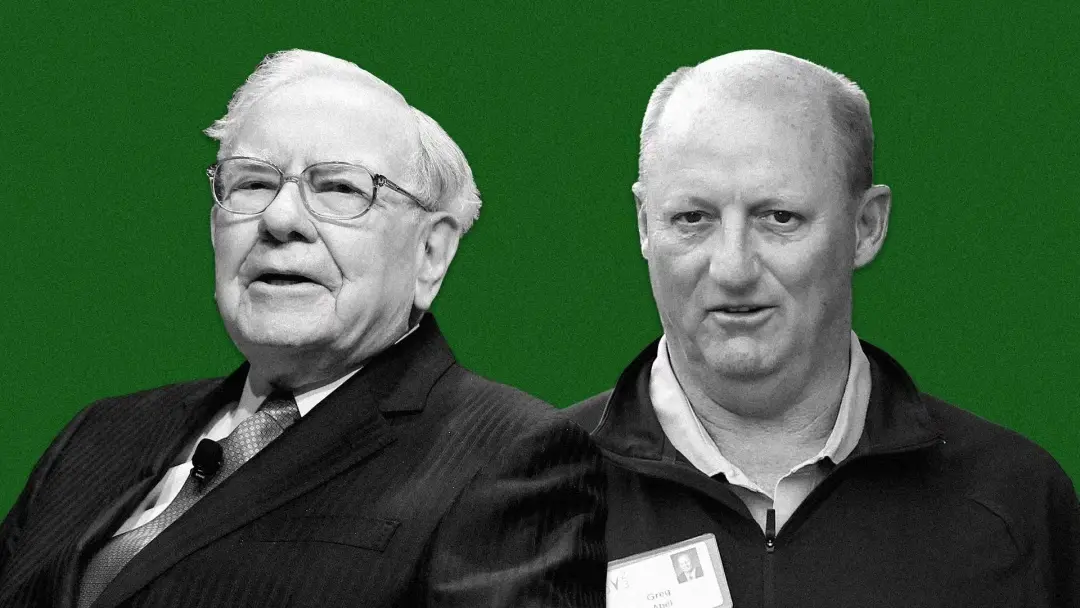
Berkshire Hathaway submitted its 13F holdings report for the second quarter of 2026 to the U.S. SEC. The data shows that in the second quarter after Warren Buffett stepped down, the company's investment portfolio underwent significant adjustments, with a large purchase of Google’s parent company Alphabet, while reducing positions in the financial and consumer sectors.As of June 30, 2026, the total market value of Berkshire's stock holdings rose to $29.9 billion, up from $26.3 billion in the previous quarter. In the second quarter, the company added one new position, increased holdings in seven stocks, reduced holdings in six stocks, and completely sold out of one target, with the top ten holdings accounting for as much as 88.74%.Among them, Alphabet became the biggest highlight. In the second quarter, Berkshire cumulatively increased its holdings of Alphabet Class A and Class C shares by approximately 48.1 million shares, with the new holdings valued at over $17 billion, pushing Google to replace Bank of America as Berkshire's fourth-largest holding. Currently, its top five holdings are Apple, American Express, Coca-Cola, Alphabet, and Bank of America. In addition to Google, Berkshire also slightly increased its holdings in Delta Air Lines, Lennar, and Macy's. The increase in Delta Air Lines has attracted attention, as the market believes this move may reflect the company's optimism about the recovery of air travel demand and improvement in corporate operations.On the reduction side, Berkshire focused on cutting positions in the financial and consumer sectors in the second quarter. Among them, Bank of America saw a reduction of about 30.2 million shares, with the holding ratio decreasing by 5.89%, corresponding to a market value of about $1.72 billion, making it the largest reduction target; First Capital Financial reduced about 4.2 million shares, with the holding ratio decreasing by about 58%; at the same time, it reduced about 11 million shares of Kroger, with the holding size decreasing by about 22%.The market believes that Berkshire ended a streak of 14 consecutive quarters of net stock selling in the second quarter and net bought nearly $20 billion in stocks, indicating that the new leader Greg Abel is pushing the portfolio towards a technology growth direction, marking a shift in asset allocation in the "post-Buffett era."