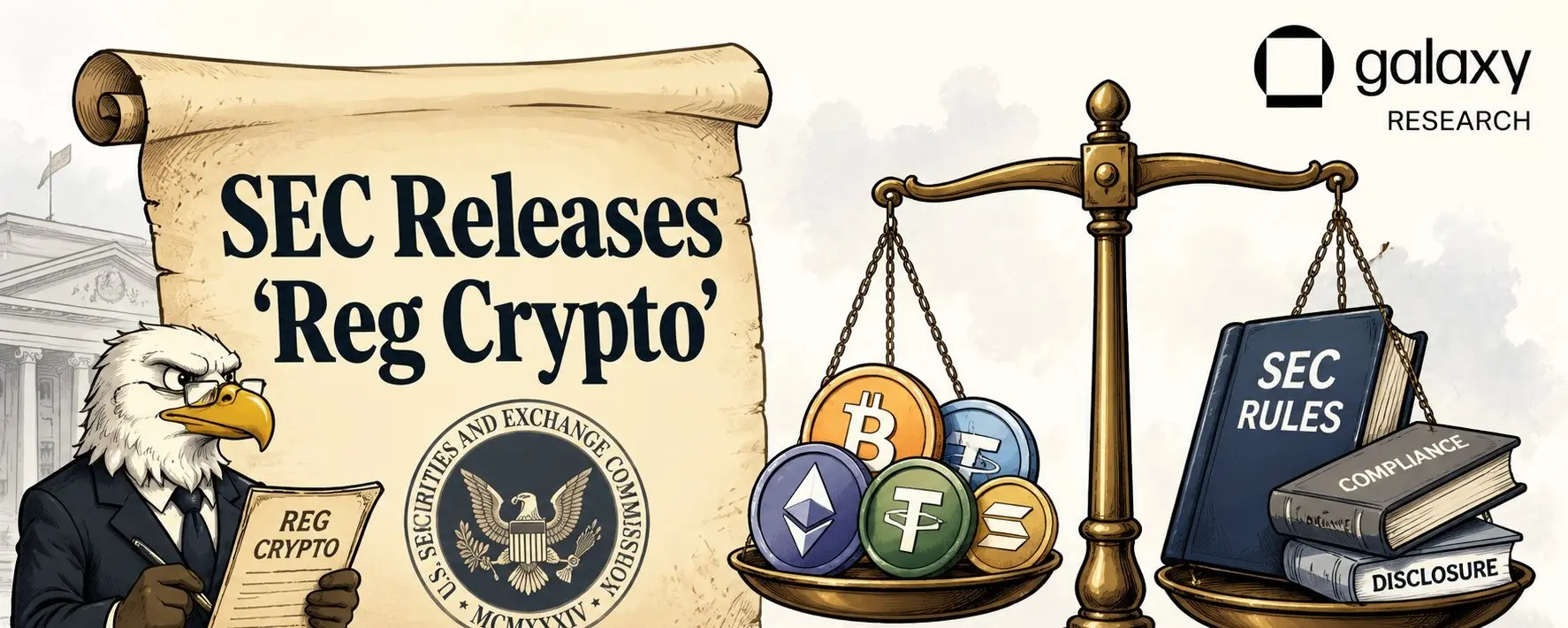
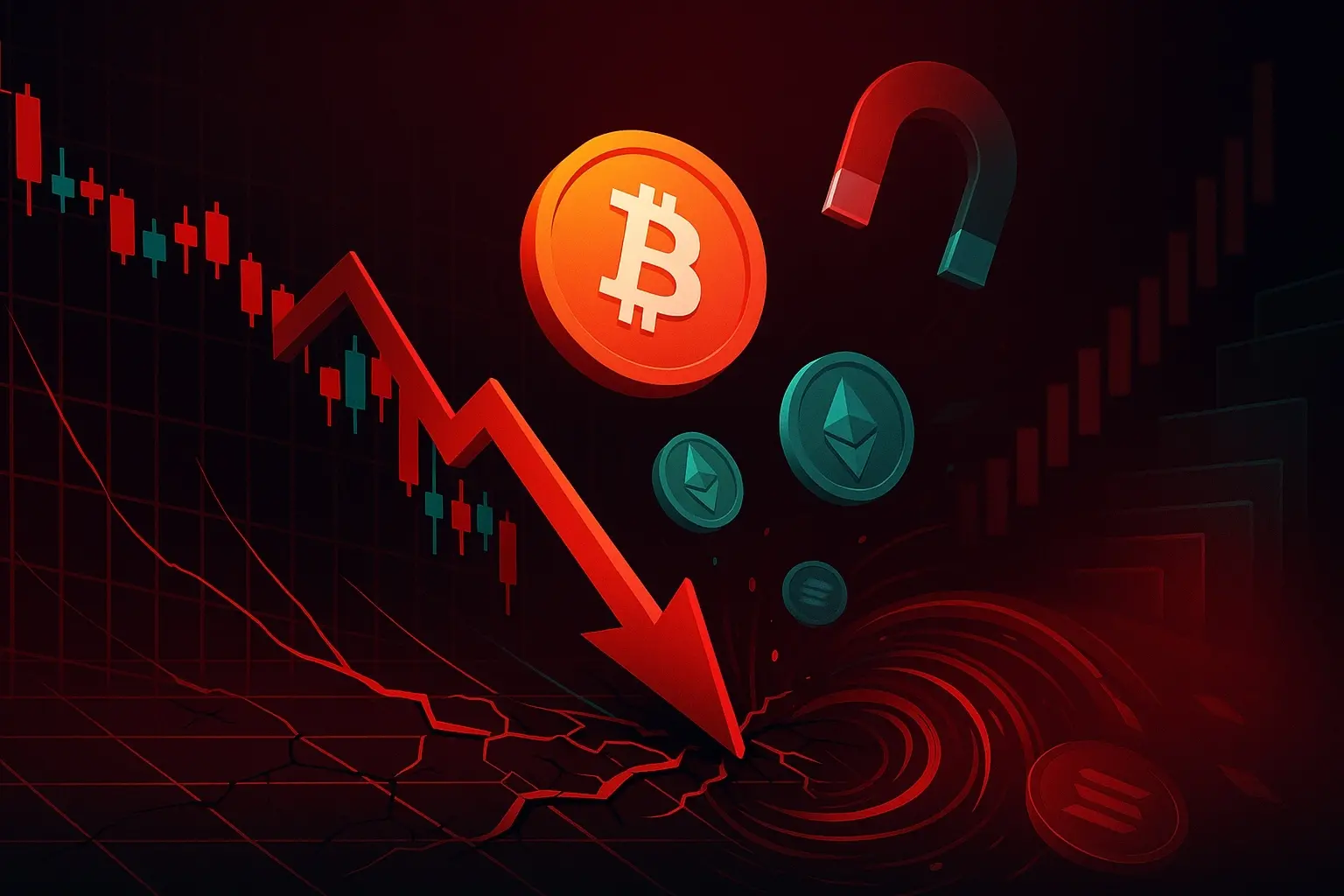
"The 'Save the US Debt' relay baton: Bessenet messed up last week, this week it's Walsh's turn."
 Core Viewpoint

 Bessenet's expansion of long-term bond repurchases has failed to effectively suppress U.S. Treasury yields, instead giving rise to "currency devaluation trades" in gold and Bitcoin. Market focus has shifted to Federal Reserve Chairman Waller's speech at Jackson Hole—if he cannot provide clear signals regarding the inflation path, the sell-off of long-term U.S. Treasuries may intensify. A 5% yield on the 30-year bond is a key threshold, and Waller's statements will be the most important variable this week.
Author: Long Yue
Bessent's intervention saved the bond market, resulting in a boost for gold and Bitcoin------now, everyone is waiting for Waller.
Last week, U.S. Treasury Secretary Bessent announced plans to at least double the scale of long-term U.S. Treasury buybacks in an attempt to suppress the continuously rising long-end yields. The effect was immediate, but it lasted less than a day------yields subsequently returned to high levels, remaining basically flat for the week.
In a subsequent interview, Bessent stated that the market was "a bit overreactive" and emphasized that the Treasury has a "powerful toolbox." However, the market responded differently: the dollar fell nearly 1% that week, gold surpassed $4,600, and Bitcoin rose over 25% in a week.
This combination was characterized by Nomura's Charlie McElligott as a "pressure release valve"------as authorities attempted to stabilize long-end rates, market anxiety was vented elsewhere.
This Week's Focus: Can Waller Provide Answers?
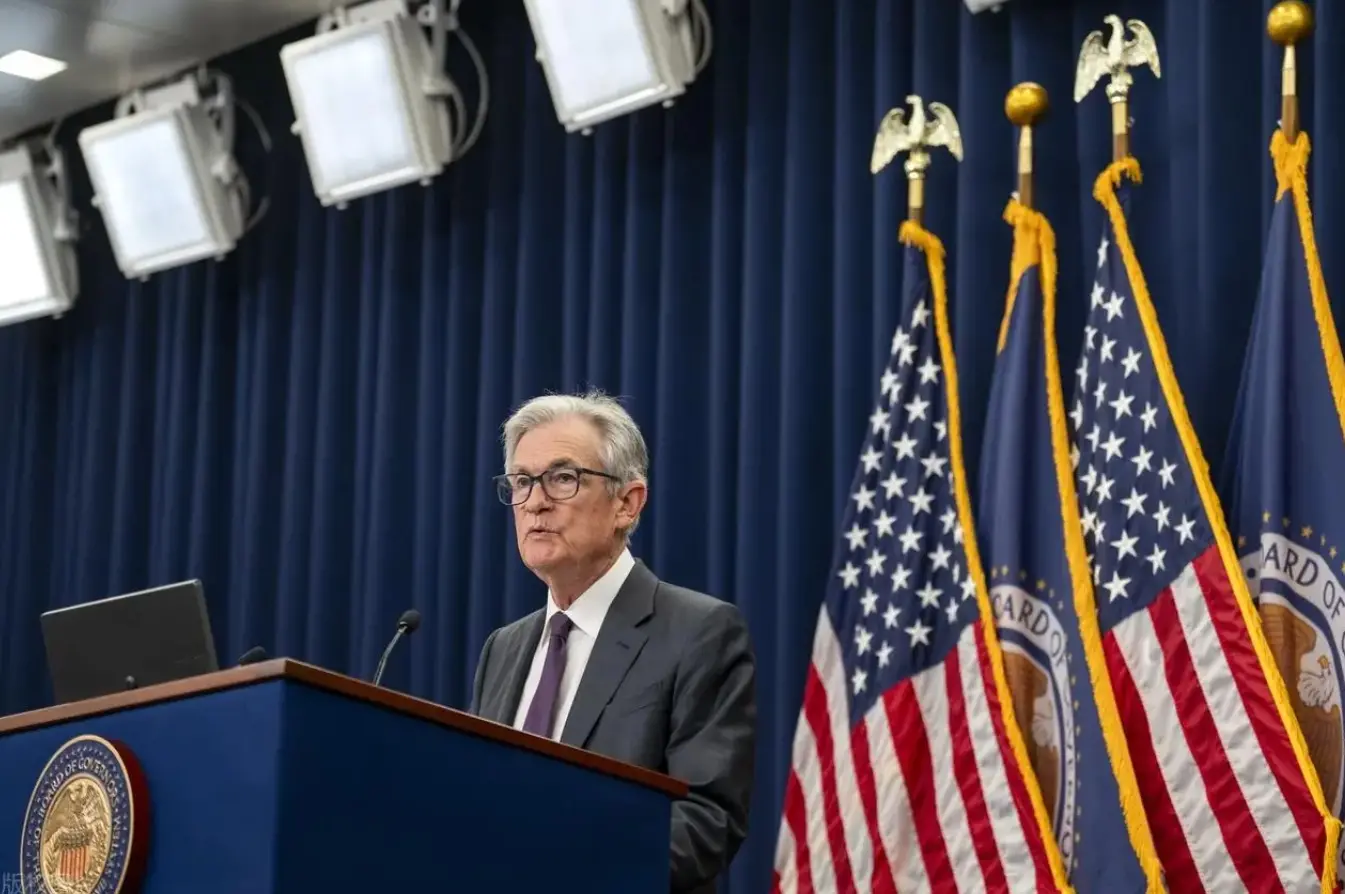
The baton has now passed to Federal Reserve Chair Waller. He will speak at the Jackson Hole Economic Policy Symposium this Friday.
Since taking office in May, Waller has provided almost no forward guidance. His last remarks after an FOMC meeting directly triggered a significant drop in the bond market------the market is extremely sensitive to what he says and how he says it.
According to Bloomberg, traders are most eager to know: in the face of stubborn inflation above the 2% target and a deteriorating fiscal situation, what exactly is the Federal Reserve's policy response function?
TD Securities U.S. interest rate strategist Molly Brooks warned: "If it's the same old story, I think the market will be disappointed, which could exacerbate the long-end sell-off we've already seen."
HSBC interest rate strategist Dhiraj Narula believes that Waller has the opportunity to reassure the market: "If Chair Waller can characterize potential inflationary pressures, in our view, that would be enough to provide some basis for reducing the uncertainty-related term premium."
Bloomberg Markets Live strategist Michael Ball stated: Bessent can adjust the debt maturity structure, but only the Federal Reserve can anchor inflation expectations. Waller's Jackson Hole speech must reaffirm that the 2% target is still achievable and clearly state------if inflation persists, even if it causes friction with the administration, policy action will be taken.
Why Bessent's Actions Are Not Enough?
Peter Tchir of Academy Securities pointed out that the U.S. government currently has $7.5 trillion in short-term Treasury bills (T-bills) and $21.7 trillion in coupon-bearing bonds outstanding. Bessent's buyback operations are "at least $4 billion" each time, occurring nearly weekly------from previously $2 billion to $4 billion each time, it sounds impressive, but it has not fundamentally shaken the market.
Tchir assesses that this is not QE (quantitative easing). Bessent's actions are essentially just "rearranging the chairs on the deck" and have not truly created money. The market's reaction of rising gold and falling dollars reflects more of an overinterpretation of the "currency devaluation" narrative rather than a genuine expansion of the money supply by the Treasury.
There is another little-known but crucial piece of data: the Federal Reserve currently holds over 50% of all U.S. Treasuries maturing in 10 to 15 years. This is quite far from a "free market." Meanwhile, the proportion of long-term bonds held by the Federal Reserve is also close to 20%.
Ironically, the Federal Reserve also holds nearly $426 billion in coupon-bearing bonds that will mature within a year, with an average coupon rate of only 2.9%, while the current effective federal funds rate is 3.63%------the Federal Reserve is continuously losing on this position.
"Twist Operation": Can the Fed Save What Bessent Cannot?
This backdrop has led the market to begin discussing a long-dormant tool: the Federal Reserve's version of "Operation Twist."
The logic is not complicated: if the Federal Reserve sells those $426 billion in short-term bonds and buys the same nominal amount of long-term bonds with maturities of 20 years or more, although it would incur an initial accounting loss, it could achieve substantial interest income (approximately 5.25% holding yield compared to a 3.63% funding cost). More importantly, this would absorb over 15% of the circulation of bonds maturing in over 20 years, effectively lowering long-end yields.
From Waller's perspective, "Operation Twist" does not count as QE because it does not change the total nominal amount of bonds held by the Federal Reserve. This is politically easier to accept. Tchir's assessment is that if the White House truly wants long-end yields to decline, it must abandon the "small-scale operations" within Bessent's control and instead push for full Federal Reserve intervention in Operation Twist.
Bloomberg analyst Ball shares a similar assessment: Bessent's plan increasingly resembles a "lightweight version of Operation Twist"------the Treasury exits long-term debt through buybacks, shifting to short-term bills and short-term coupons; the Federal Reserve absorbs front-end supply through reserve management purchases of short-term bills without expanding its balance sheet. However, this combination has its inherent contradictions: the higher the proportion of short-term financing, the greater the Treasury's exposure to policy rates. Once inflation forces the Federal Reserve to raise rates, interest costs will reset at a faster pace; if the Federal Reserve hesitates due to concerns about fiscal costs, the market will punish its independence with a higher term premium.
Therefore, either the Federal Reserve must step in to support Bessent, or this intervention will end in failure------and a failed intervention often causes more harm than no intervention at all.
Data Window: Wednesday's PCE to Pave the Way
Before Waller's speech at Jackson Hole, the market will also face an important data point------the Personal Consumption Expenditures (PCE) index for July, to be released on Wednesday.
According to Bloomberg, in the past month, inflation, employment, and retail sales data have all been in line with or below expectations, prompting traders to lower recent rate hike expectations. If PCE data continues this trend, it may provide some buffer for Waller's speech.
However, the time window is narrowing. Bloomberg analysis points out that political pressure from the midterm elections, along with the U.S. Bureau of Economic Analysis updating PCE statistical methods at the end of September, could make the tightening operations after the September FOMC meeting increasingly complex in terms of political perception.
5% is Key, Doubts About the Continuation of Devaluation Trades
Wall Street Journal reported that Bank of America strategist Michael Hartnett views the 5% yield on 30-year U.S. Treasuries as an important dividing line, believing that if it cannot break below this level, it will exacerbate the pressure on the dollar and high-leverage sectors------including AI supercomputing companies and private credit.
Bridgewater founder Ray Dalio warned last Friday, advising investors to reduce bond exposure and hold gold and some Bitcoin to guard against a potential U.S. debt crisis.
This pressure is not unfounded. Bloomberg noted that as the conflict with Iran continues to escalate, the fiscal outlook is increasingly drawing market attention; meanwhile, the surge in bond issuance by AI-related companies is competing for the same pool of capital as U.S. Treasuries; foreign investors' demand for U.S. Treasuries is also becoming increasingly "price-sensitive," with a declining tolerance for the current policy direction.
 Risk warning


Popular articles