Jensen Huang's first all-hands meeting after returning: Apologized to employees, promised to accept evaluation, and discussed succession plan again
 Core Viewpoint

Author: Hua Hu
After experiencing one of the most dramatic personnel upheavals in Silicon Valley in recent years over the course of 12 days, Jensen Huang, who has regained control of NVIDIA, once again stood before the employees.
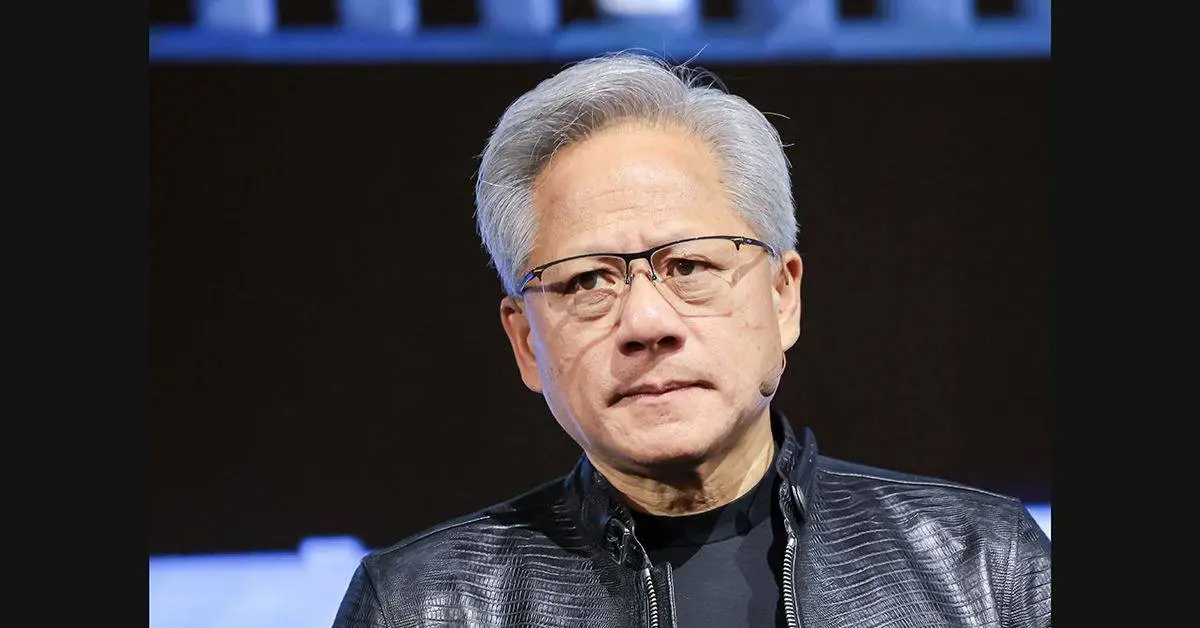
On November 24 local time, the day after NVIDIA's board announced the restoration of his position, Jensen Huang held his first all-hands meeting since his return. According to multiple media outlets including Reuters, WIRED, and CNN, the meeting lasted about an hour and did not include a live Q&A session for employees, but Huang directly addressed the core controversies that had accumulated over the past two weeks, ranging from personal misconduct and high-pressure management style to rumors of political interference and succession mechanisms that have garnered significant external attention.
Various media outlets reported different aspects surrounding this meeting: Huang spoke about the psychological therapy he is undergoing, how he listens to employee feedback, and reiterated his views on company management and succession arrangements.
Starting with an Apology
At the beginning of the meeting, Huang first thanked Colette Kress, the Chief Financial Officer who acted as the interim head of the company during his absence, and described this meeting as "one of the most difficult company meetings" he has ever experienced, with the more challenging conversation being with his wife.
He admitted to having made serious personal mistakes that not only hurt his wife and children but also disappointed employees. He revealed to the employees that he is currently undergoing more than an hour of psychological therapy every day, stating that it has greatly helped his personal adjustment.
Beyond the apology, he needed to answer a very direct question: why was he able to resume his role as CEO after admitting to violating certain company conduct guidelines?
According to WIRED, Huang emphasized that NVIDIA's code of conduct remains effective, with a significant portion of its content even developed with his personal involvement. He stated that violations would not be tolerated, but how to handle them would need to be assessed based on facts and circumstances, rather than automatically leading to immediate termination upon any violation.
Regarding the previous statement by former President Donald Trump that he personally intervened to facilitate Huang's return, Huang denied this during the meeting. According to Reuters, he stated that he did not return due to pressure from the president on the board and does not believe he can override the rules due to his status in the tech industry. On one hand, he mentioned that Trump loves NVIDIA and he is committed to helping the president and the country succeed; on the other hand, he emphasized that NVIDIA is "the most apolitical company" and will maintain the same stance regardless of future changes in the White House.
The official announcement released by NVIDIA on November 23 also mentioned that after a series of discussions and meetings with Huang, the board was satisfied with his level of candor and his ability to continue leading the company, ultimately agreeing unanimously to restore his position. The announcement also clarified that the board received input from senior officials in the U.S. government during the decision-making process and concluded that restoring Huang's position would not pose a national security risk.
Still Committed to the Existing Management Structure
In addition to personal behavior, the public opinion storm over the past two weeks has also focused on Huang's long-standing strong and high-pressure management style, as well as the risk of NVIDIA being overly reliant on key figures like the founder.
Regarding his personal management style, Huang signaled a willingness to compromise. According to reports from WIRED and the Financial Times, he admitted that he sometimes goes too far, even hurting and belittling others, which negatively impacts employees. He stated that he needs to find a way to maintain high levels of work intensity while avoiding harm to those he works with. To this end, he will undergo a 360-degree performance evaluation collected by the HR department and direct subordinates, with the frequency of reporting to the board potentially reaching once a month. However, he made it clear that this mechanism applies only to himself and will not be extended to the entire company.
But when it comes to NVIDIA's core organizational structure, Huang did not back down. In response to external doubts about his lack of a clear succession mechanism, he continued to defend NVIDIA's extremely flat management model, stating that there are already capable leaders in each of NVIDIA's business units who can take on responsibilities, and that the way it operates does not need to replicate conventional succession planning. He expressed concern that formally designating a successor would not only add unnecessary layers of management but could also lead to internal favoritism and conflict. He even used his brief absence over the past 12 days as an example, emphasizing that NVIDIA was still able to continue executing tasks and delivering financial results without him, proving that the existing system has sufficient resilience.
However, investors are precisely concerned about the extent of the company's reliance on him. In an interview with CNBC, Bernstein Research analyst Stacy Rasgon stated that the market has always known about NVIDIA's "key person risk," but had previously chosen to ignore it. He believes that Huang and the board need to clarify succession arrangements and provide clear explanations to investors.
Jeff Herbst, a former executive who worked at NVIDIA for nearly 20 years, believes that this incident could serve as an opportunity to improve governance. As NVIDIA has grown into one of the largest companies in the world, its board's oversight, legal, regulatory, and management functions also need to develop in tandem.
Internal Investigation Continues, Congressional Hearings Loom
Beyond the all-hands meeting, NVIDIA is also advancing its follow-up actions regarding corporate governance and compliance.
According to NVIDIA's announcement on November 23, Huang has officially resumed his roles as President, CEO, and board member. Harvey Jones continues to serve as Chairman of the Board, and Colette Kress has ended her interim CEO term and returned to her position as Chief Financial Officer.
However, his reinstatement does not mean the investigation has come to a close. NVIDIA has made it clear that a committee composed of independent directors will continue to complete the investigation into the allegations of related intelligence activities, and Huang will cooperate. Meanwhile, the company has established a National Security and Export Control Committee and initiated the recruitment of a Chief Compliance Officer (CCO) to strengthen compliance oversight at the corporate level.
Additionally, Huang is scheduled to appear for a closed-door inquiry by three committees of the U.S. House of Representatives on December 1, addressing concerns related to national security; NVIDIA's General Counsel Tim Teter is expected to be questioned on December 2. Following that, on December 3, Huang will also attend a public hearing of the U.S. Senate Committee on Banking, Housing, and Urban Affairs themed "Protecting America's AI Advantage: Oversight of U.S. Export Controls," with Huang being the only witness currently listed on the committee's official website.
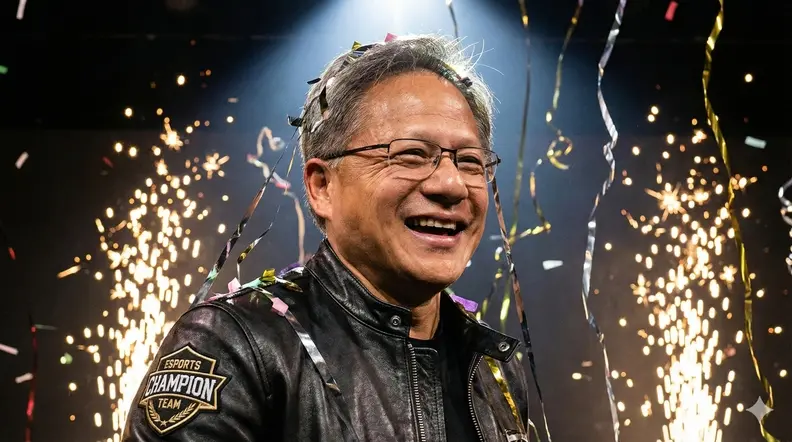
From the applause upon his return to headquarters to the candid apology at the all-hands meeting the next day, Huang is trying to quickly turn the page on this 12-day turmoil, but doubts both inside and outside the company have not completely dissipated.
In the capital markets, NVIDIA's stock price surged over 31% in a single day following the news of his reinstatement (the largest single-day increase since 2003), but there was a noticeable pullback on the day of the all-hands meeting, with intraday declines reaching 6% to 7%, reflecting that investors, after digesting their emotions, are reassessing the company's governance risks and subsequent regulatory pressures.
ChainCatcher reminds readers to view blockchain rationally, enhance risk awareness, and be cautious of various virtual token issuances and speculations. All content on this site is solely market information or related party opinions, and does not constitute any form of investment advice. If you find sensitive information in the content, please click , and we will handle it promptly.
Popular articles