Daily Observation on Cryptocurrency Regulation: The U.S. Senate report directly points to Tether's involvement in Iran's shadow banking, Tether strongly retaliates claiming it has frozen nearly $550 million in assets

 Released on September 29, 2026. Tether, the world's largest stablecoin issuer, is once again embroiled in the vortex of geopolitical sanctions and national security reviews. Democratic members of the U.S. Senate Committee on Homeland Security and Governmental Affairs' Permanent Subcommittee on Investigations released a significant investigative report, accusing Tether's stablecoin USDT of becoming a key channel for Iran's shadow banking network to evade international sanctions, and criticizing its slow response to freezing actions. In the face of severe accusations, Tether issued an official response on the same day, disclosing that it has assisted in freezing nearly $550 million of USDT related to Iran, reiterating its close cooperation with U.S. authorities and global law enforcement agencies, and demonstrating its compliance stance in anti-money laundering and sanctions enforcement.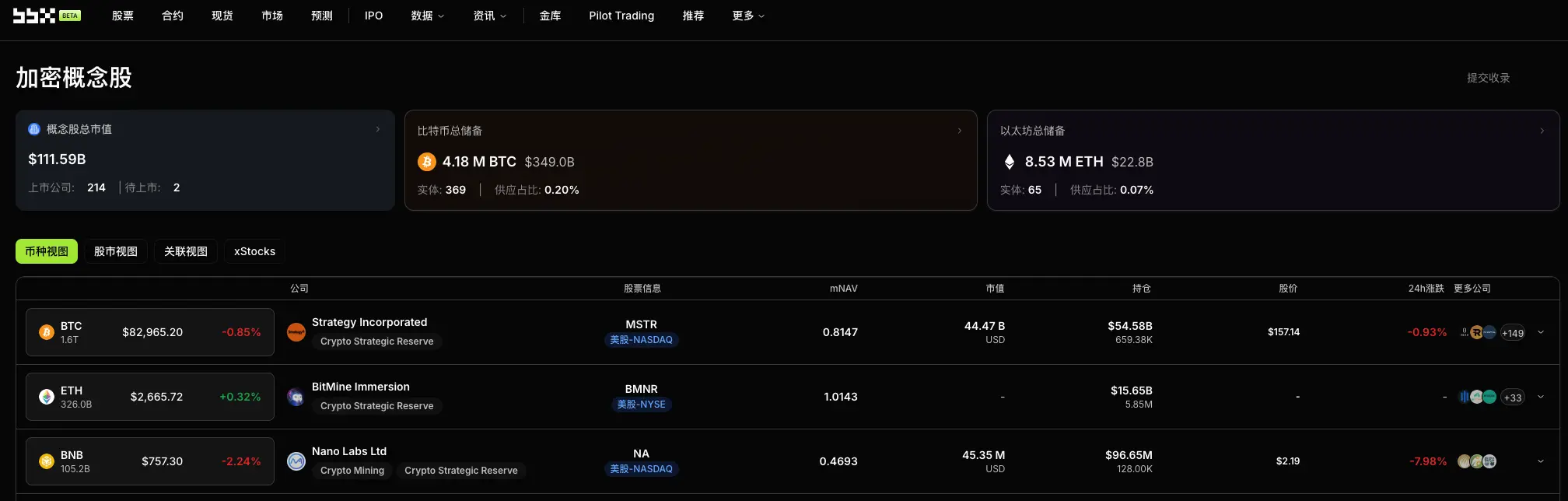
Senate Accusation: USDT Becomes Iran's Financial Lifeline to Evade International Sanctions
As on-chain stablecoins penetrate global trade, their funding flows in sensitive geopolitical contexts are facing the highest level of scrutiny from the U.S. Congress.
On September 28, Democratic members of the Senate Homeland Security and Governmental Affairs Committee's Permanent Subcommittee on Investigations officially released an investigative report. The report indicates that a shadow banking network supported by Tehran authorities has processed an estimated $20 billion in cross-border transactions to evade sanctions over the past year. The report specifically names USDT, which, due to its high liquidity, censorship-resistant on-chain peer-to-peer characteristics, and seamless fiat acceptance capabilities, has effectively evolved into an "important financial lifeline" for the Iranian government and its agents to maintain foreign trade and capital flow under international financial sanctions.
Accountability Review: Questioning Tether's Delayed Response to Bans and Passive Cooperation
In addition to disclosing macro funding channels, the congressional report directly points the contradictions towards Tether's compliance enforcement mechanisms.
The report harshly criticizes Tether for systemic flaws in its global anti-money laundering and sanctions screening:
Long response time: The report notes that after law enforcement agencies issue risk alerts or discover clear clues related to cases, some of Tether's address freezing actions often take weeks, providing ample time for illegal funds to be transferred and mixed;
Lack of proactive defense: The report accuses Tether of overly relying on post-factum law enforcement requests, failing to proactively and preemptively identify and block shadow banking wallet addresses involved in illegal activities through automated on-chain monitoring, leading to serious loopholes in offshore sanctions compliance.
Tether's Counterattack: Nearly $550 Million in Assets Frozen, Proving Law Enforcement Collaboration
In response to the severe accusations from the U.S. Congress, Tether quickly made a positive rebuttal on the same day, releasing concrete on-chain collaboration data.
Tether officially stated:
Massive asset freeze: As of now, Tether has assisted global regulatory and judicial authorities in freezing nearly $550 million in illegal USDT assets associated with Iran and related entities, a figure that fully reflects its actual efforts in curbing sanction evasion;
Transnational law enforcement cooperation: The company emphasizes that it has always maintained direct contact and real-time intelligence sharing with the U.S. Department of Justice (DOJ), Federal Bureau of Investigation (FBI), Secret Service, and law enforcement agencies from several allied countries, demonstrating industry-leading compliance response capabilities in identifying, tracking, and freezing malicious entities' funds.
The End of Stablecoin Neutrality Under Geopolitical Tug-of-War
Comprehensive regulatory signals released from Washington at the end of September, along with the Senate's investigation report on Tether, reflect U.S. lawmakers' deep-seated anxiety over the role of U.S. dollar stablecoins as "sanction shock absorbers" overseas. As the issuance and settlement scale of global stablecoins surpasses hundreds of billions of dollars, private stablecoin issuers can no longer maintain so-called "technological neutrality" within the framework of superpower financial sanctions. Regardless of how Tether proves its compliance, its massive secondary circulation pool will face more penetrating scrutiny from Washington's intelligence apparatus. This game not only foreshadows tighter regulations and extraterritorial jurisdiction over offshore stablecoins but also accelerates the push for global compliant stablecoins to embed more immediate sovereign-level sanction circuit breakers at the code and protocol level.
Data Source: https://bbx.com/ Cryptocurrency Concept Stock Information Database, compiled based on yesterday's announcements from global listed companies and SEC/TSE disclosure documents.
 Risk warning