CoreWeave: Former Ethereum miner, dragged down the entire AI stock
 Core Viewpoint


 CoreWeave's stocks and bonds fell simultaneously, while computing power and chip stocks faced pressure during the same period.
Editor: Wu Says Blockchain, ChatGPT
TL;DR
· CoreWeave's stocks and bonds fell simultaneously, with computing power and chip stocks under pressure. In mid-October 2026, the yield on some of the company's unsecured bonds rose to around 15%, with one bond maturing in 2031 exceeding 16%. As of the week of October 16, the stock price had fallen nearly 25%; similar companies like Nebius also saw declines, with the Philadelphia Semiconductor Index dropping over 11% that week.
· The company started with Ethereum mining and now provides AI computing power to tech companies. CoreWeave was founded in 2017, launched its cloud platform in 2020, and went public on NASDAQ in 2025. It currently offers GPU clusters and supporting cloud services, with clients including Microsoft, OpenAI, Meta, and Anthropic. In 2025, Microsoft contributed about 67% of the company's revenue.
· Long-term contract backlog exceeds $100 billion, but revenue still needs to be recognized based on delivery progress. As of the end of June 2026, the company's remaining performance obligations amounted to $103.7 billion, with about 41% expected to be recognized as revenue in the following 24 months. The company also disclosed a "revenue backlog" of approximately $104 billion, which is a broader metric that requires conditions such as delivery and service availability to be met for revenue recognition.
· Revenue doubled year-on-year in Q2, but the company still recorded losses and high financing expenses. In the second quarter of 2026, CoreWeave's revenue was $2.575 billion, a year-on-year increase of about 112%, with a net loss of $626 million and net interest expenses of $640 million. As of the end of June, the company reported total debt of $35.6 billion, along with approximately $16.3 billion in operating lease liabilities.
· The company emphasizes financial improvement, while research institutions have differing views on financing prospects. Jensen Huang stated that CoreWeave's financial strength is improving and the cost of capital is decreasing. Goldman Sachs upgraded its rating to "Buy" on October 19, expecting the company to still be able to finance its expansion. Gartner predicts that by 2030, cost pressures and insufficient business differentiation will cause over 80% of neocloud providers to cease independent operations.
In mid-October 2026, CoreWeave (NASDAQ: CRWV) experienced a simultaneous decline in stocks and bonds. The yield on some of the company's unsecured bonds rose to around 15%, with a bond maturing in 2031 exceeding 16%. On October 14, the company's stock price fell by about 15.5%; as of the week of October 16, the cumulative decline was nearly 25%.
During the same period, stocks of computing power and data center companies like Nebius, Applied Digital, and IREN also fell, with the Philadelphia Semiconductor Index dropping over 11% that week. CoreWeave and Nebius belong to neocloud, which typically refers to new cloud service providers offering GPU cloud services for high-performance computing tasks like AI.
I. Transitioning from Ethereum Mining to GPU Cloud Services
CoreWeave's predecessor was Atlantic Crypto, co-founded by Michael Intrator, Brian Venturo, and Brannin McBee in 2017. The three had previously engaged in trading in commodity and energy markets, and the company initially used GPUs for Ethereum mining.
According to the company's historical introduction released in 2021, the team acquired low-cost GPU equipment during the market downturn from 2018 to 2019 and gradually expanded its computing business beyond mining. In 2019, the company acquired the rendering platform Leonardo Render; in December of the same year, it was renamed CoreWeave.
In 2020, the CoreWeave cloud platform went live, providing computing services to clients in visual effects, rendering, and machine learning. In September 2022, Ethereum completed its "merge," transitioning from proof-of-work to proof-of-stake. CoreWeave stated in its listing documents that it had ceased mining operations.
CoreWeave currently offers GPU clusters, networking, storage, and supporting software services for clients to train and run AI models. The company deploys computing power by procuring computing equipment, leasing data centers, and signing contracts for electricity, then provides cloud services according to client agreements.
In 2023, NVIDIA participated in CoreWeave's Series B financing. On March 28, 2025, CoreWeave went public on NASDAQ with an issue price of $40 per share, issuing 37.5 million shares for a total offering size of approximately $1.5 billion. The company's revenue is expected to grow from about $229 million in 2023 to approximately $1.9 billion in 2024 and about $5.1 billion in 2025.
II. Hundreds of Billions in Orders from Tech Giants Support Expansion Expectations
The company's annual report shows that Microsoft is CoreWeave's largest customer, contributing approximately 62% and 67% of revenue in 2024 and 2025, respectively. The company has also signed computing power service agreements with OpenAI, Meta, and Anthropic.
In March 2025, CoreWeave signed an initial agreement with OpenAI worth up to $11.9 billion; subsequently, the collaboration was expanded in May and September of the same year. According to an announcement on September 25, 2025, the total contract value at that time was approximately $22.4 billion, covering computing tasks such as model training.
On April 9, 2026, CoreWeave announced it had signed an expanded cooperation agreement with Meta worth approximately $21 billion, providing AI cloud computing capabilities until December 2032. The announcement stated that the related computing power would be deployed in multiple locations and include early deployments of NVIDIA's Vera Rubin platform.
On April 10, the company announced it had signed a multi-year agreement with Anthropic, the developer of Claude, to support its model development and deployment. The announcement anticipated that the related computing power would begin to come online later in 2026, initially using a phased deployment approach.
NVIDIA is both an investor in and a computing power purchaser from CoreWeave. In September 2025, CoreWeave disclosed that an order signed with NVIDIA had an initial value of $6.3 billion. Under conditions of delivery, service availability, and other contractual obligations, NVIDIA is obligated to purchase the remaining unsold computing power, with the term extending until April 2032.
CoreWeave's Q1 2026 earnings announcement also disclosed that NVIDIA had completed a $2 billion investment in Class A common stock.
III. Revenue Doubled, but Debt and Interest Burdens Are Increasing
CoreWeave's financial report released on August 11 showed that revenue in the second quarter of 2026 was $2.575 billion, a year-on-year increase of about 112%; the net loss was $626 million, compared to a net loss of $290 million in the same period last year. During the same period, net interest expenses rose from $267 million to $640 million.
The cash flow statement showed that the net cash inflow from operating activities for the quarter was $679 million, with cash expenditures for property and equipment purchases amounting to $6.422 billion. The company provided a full-year capital expenditure guidance of $35 billion to $39 billion for 2026 and expected third-quarter interest expenses to be between $860 million and $940 million.
The company primarily raises funds through equity financing, loans, bonds, and convertible bonds. In August 2023, the company secured a $2.3 billion debt financing facility led by Magnetar and Blackstone, using NVIDIA chips as collateral.
In March 2026, the company announced it had completed a delayed draw term loan financing (DDTL 4.0) of up to $8.5 billion. This financing is supported by project equipment and customer contracts and received investment-grade ratings of Moody's A3 and DBRS A (low). The announcement disclosed that the financing includes a floating rate portion of SOFR plus 2.25%, as well as a fixed rate portion with an initial rate of approximately 5.9%.
As of the end of June 2026, the company reported total debt of $35.6 billion, along with approximately $16.3 billion in operating lease liabilities. Some project loans are supported by GPU equipment and customer contracts, financed through project subsidiaries.
In terms of orders, the company's disclosed remaining performance obligations (RPO) amount to $103.7 billion, referring to the contract amounts corresponding to signed but unfulfilled portions. The company expects that about 41% of this will be recognized as revenue within the 24 months ending June 30, 2028.
The company also disclosed a "revenue backlog" of approximately $104 billion. According to its definition, this metric includes remaining performance obligations as well as other expected future revenue that can be recognized from committed customer contracts, with related revenue recognition still needing to meet conditions such as delivery and service availability.
IV. Simultaneous Decline in Stocks and Bonds Raises Market Concerns in the AI Sector
According to Bloomberg, on October 14, CoreWeave's unsecured bond with a coupon rate of 9.625% maturing in 2032 fell below 80% of par value, with a yield exceeding 15%. Reuters cited trading data indicating that the yield on a bond maturing in 2031 exceeded 16% on October 15. This yield represents the market trading yield of the bonds.
Investor Chamath Palihapitiya posted a chart of CoreWeave's bond yields on X, to which Elon Musk replied "Yikes." In the same week, according to data from S&P Global Market Intelligence, the cost of debt default insurance for CoreWeave rose to over 1,000 basis points.
On October 14, CoreWeave's stock price fell by about 15.5%, closing at approximately $65.78; as of the week of October 16, the cumulative decline was nearly 25%. On October 16, Nebius fell about 10%, while Applied Digital and IREN each dropped about 9%.
Reuters reported that after the release of U.S. inflation data that week, market expectations for further interest rate hikes intensified. Axel Rudolph, chief technical analyst at IG Group, stated that the continued rise in capital costs could pressure highly leveraged companies, even as demand for AI computing power remains strong.
On October 19, after Goldman Sachs upgraded its rating, CoreWeave's stock price rebounded during trading but still closed down about 0.44%. According to Tradeweb data, the yield on a bond maturing in 2031 fell to 15.13%, a decrease of 19.5 basis points from the previous trading day.
On October 22, CoreWeave fell again by about 10%, Nebius dropped about 7%, and stocks like NVIDIA and Meta also declined. Meta reported a negative free cash flow of $2.12 billion for the third quarter.
V. Beyond Demand, Financing and Returns Become Controversial Focus Points
CoreWeave CEO Michael Intrator stated in a memo to employees that the market sometimes misinterprets the company and reacts irrationally, while emphasizing the company's customer demand and contract backlog.
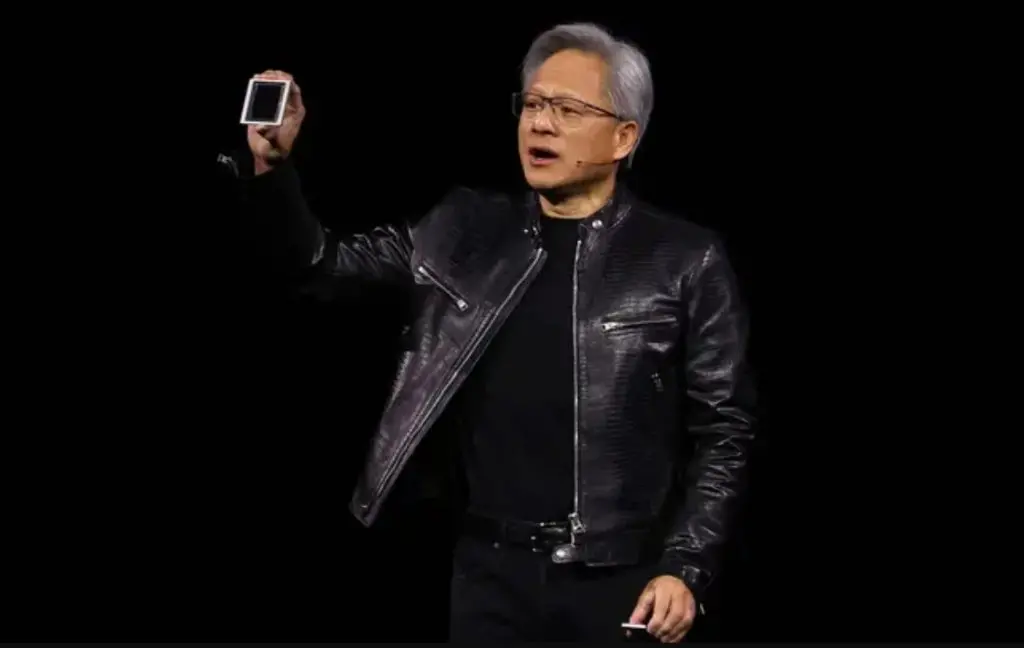
On October 15, NVIDIA CEO Jensen Huang told reporters at an event in Stockholm that CoreWeave's financial strength is improving, and the cost of capital is actually decreasing. He stated that he does not believe NVIDIA needs to provide a backstop for CoreWeave.
On October 14, Gartner released a study stating that if AI service providers maintain their current capital expenditure pace, over $3.5 trillion in AI infrastructure spending may face impairment risks by the end of 2030. The agency expects that by 2030, cost pressures and insufficient business differentiation will cause over 80% of neocloud providers to cease independent operations.
Gartner analyst Will Sommer stated that to cover announced capital expenditures, financing costs, and achieve the agency's assumed 12% return on invested capital, AI data center owners will need approximately $8.5 trillion in cumulative revenue by 2030; the agency estimates that during the same period, AI revenue attributable to AI data centers from businesses and consumers will not exceed $3.6 trillion.
On October 19, Goldman Sachs upgraded CoreWeave's rating from neutral to buy. The analyst team led by Gabriela Borges stated that CoreWeave is at a higher quality level among neocloud enterprises and expects its future expansion to still secure financing, with debt costs only rising moderately from current levels. According to a Financial Times report on October 14, CoreWeave is seeking to have more loans supported by chips and customer contracts rated as investment grade to attract insurance company funds. Co-founder Brannin McBee stated that the company as a whole may also achieve an investment grade rating in the coming years.
Bloomberg reported on October 15 that CoreWeave's three co-founders have collectively sold approximately $3.3 billion in company stock since the IPO in March 2025, with about $2.4 billion sold in 2026. A company spokesperson stated that the related sales were pre-arranged and fully disclosed; as of the report, the three still collectively hold about 20% of the equity.

 Risk warning